Introduction
Chemotherapy is good for fighting cancer, but is terrible for nerves. Many patients experience a sensation of tingling, burning or numbness in the hands and feet. Doctors call this condition neuropathy complications from chemotherapy, and it is one of the tough side effects to commit to.
Some of people’s expectations are for symptoms to fade away after the treatment. For others, the nerve damage is permanent for months or even years. That is why its something you need be aware of what circumstances are kind for neuropathy, how every day life changes with neuropathy, and what you can do to change the impact of neuropathy.
Staying healthy starts with awareness. Learn about lifestyle changes to prevent Alzheimer’s disease, the first symptoms of Parkinson’s disease, and the early signs of thyroid cancer in women to catch problems early.
What Is Neuropathy?
Neuropathy is nerve damage. Nerves transmit information between the brain, the spinal cord and the body. When they are damaged signals become weak or jumbled. The result is pain, numbness or odd sensations in the skin.
Chemotherapy-induced neuropathy is caused when nerve fibers are damaged by powerful cancer medications. Unlike hair loss or fatigue, nerve injury is slow to heal.
Why Chemotherapy Has an Impact on Nerves
Cancer drugs target fast-growing cells. This kills cancer but can also damage healthy tissue. Nerves are particularly sensitive.
Platinum drugs (e.g. cisplatin, oxaliplatin), taxanes (e.g. paclitaxel) and vinca alkaloids (e.g. vincristine) are the major causes. These drugs cause the protective coverings around the nerves to be damaged, causing pain.
Symptoms You May Notice
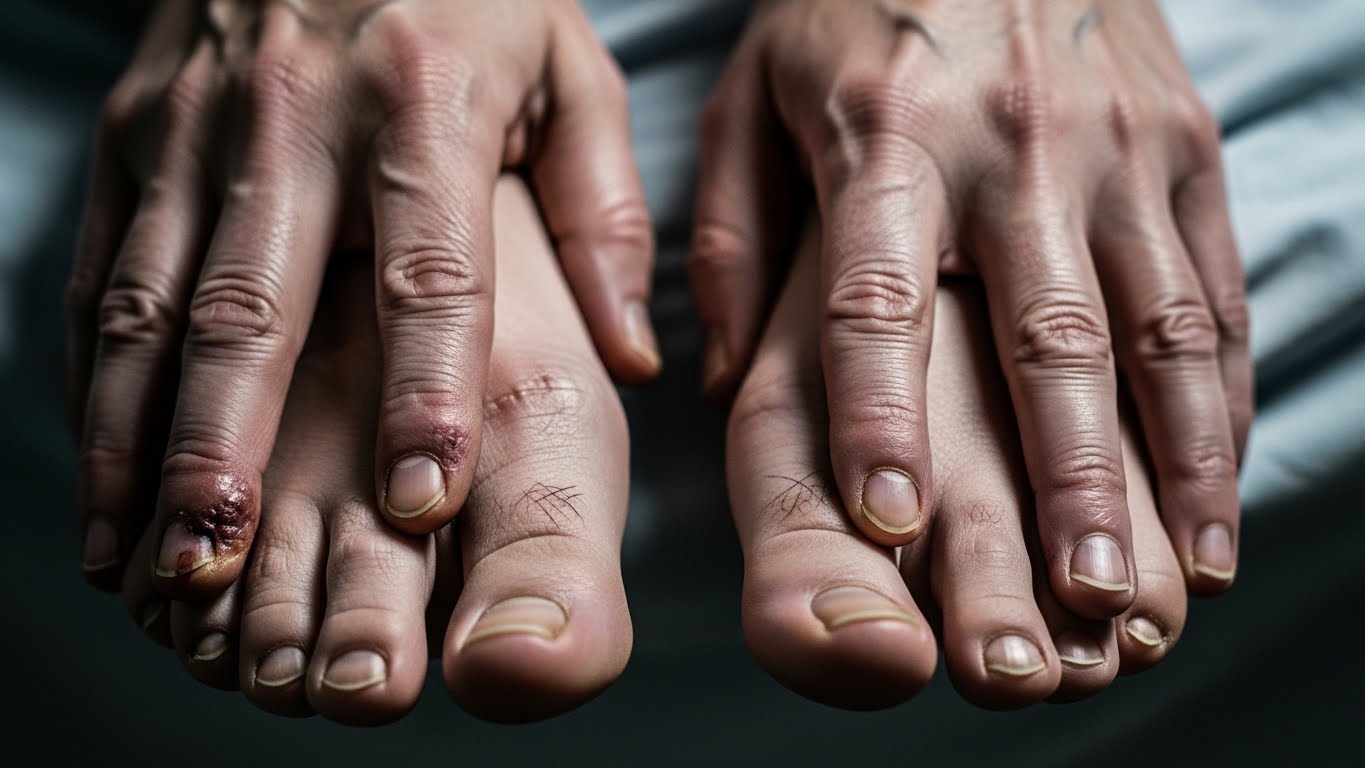
Most patients experience feelings of tingling in fingers or toes. Some complain of piercing pain, shooting shocks. Others lose sensation, and can’t feel hot, or cold, or touch.
Weak muscles and poor balance are also common. Simple tasks such as walking, writing, or holding objects can get difficult. Symptoms often begin in the feet and work their way upward.
Who Is at Higher Risk?
Not all patients develop neuropathy. Risks increase when using high doses of the drug, if the treatment continues for long or if medicines are taken with drugs.
Older individuals are more prone to nerve damage. People with currently existing conditions, for example, because the loss of vision in diabetes, vitamin shortage, or alcohol use are also more vulnerable.
Short-term Problems vs Long-term Problems
In some cases, symptoms improve after therapy has ceased. Tingling may disappear and strength returns.
For others, nerve damage lingers. Years later, they may still experience numbness, weakness or severe pain. This has an effect on mobility and independence.
A Survivor’s Story
Iron-a. 2 Maria has had taxane chemotherapy, a 52-year-old breast cancer survivor. Months later, she was still experiencing numbness in her fingertips. She had problems with daily activities such as buttoning clothes or typing. Placebo Neuropathy – Her case illustrates how neuropathy extends beyond your health and affects daily living.
Why This Burden Matters
Neuropathy is invisible and disabling. Patients are often frustrated because they can’t show family and friends that they are hurting. Work, hobbies and social life all suffer.
Overlap with Other Conditions
Chemotherapy side effects are occasionally related to other health threats. For example:
- Kidney damage risk high blood pressure may appear if treatment affects kidney function.
- Heart disease complications sleep apnea may develop when weight gain or fatigue sets in.
- Liver cirrhosis complications can occur if drugs affect liver tissue.
- Pregnancy complications lupus may complicate planning for women survivors.
- Stroke risk atrial fibrillation can rise if therapy disrupts heart rhythm.
These risks are evidence of long-term monitoring’s importance.
Managing daily challenges matters too. Tips for coping with type 2 diabetes fatigue and a routine to reduce arthritis knee flare-ups can improve comfort. Also, untreated atrial fibrillation can raise stroke risk, making timely care vital.
Common Drugs and Risk of Neuropathy
🔬 Chemotherapy Drugs and Neuropathy Risk
Platinum Compounds
Cisplatin, Oxaliplatin
Often dose-dependent, may persist long-term.
Taxanes
Paclitaxel, Docetaxel
Usually reversible after stopping treatment.
Vinca Alkaloids
Vincristine, Vinblastine
Can cause severe sensory and motor neuropathy.
Proteasome Inhibitors
Bortezomib
Risk reduced with subcutaneous administration.
Can Neuropathy Be Prevented?
Doctors can’t always prevent neuropathy. However, steps may reduce the risk. Careful selection of drugs and changes in dosage help. Study during treatment is also necessary.
Some clinics work on testing nerve function before the therapy begins. This provides doctors with a baseline to monitor changes against. Supplements such as vitamin B, folic acid may facilitate nerve health, depending on results.
Reducing alcohol consumption and blood sugar levels will lessen further stress on your nerves. Good nutrition and hydration also contribute to a faster recovery of the body.
How Neuropathy is Diagnosed by Doctors
Diagnosis starts with your story. You describe tingling, pain or weakness. A doctor checks strength, reflexes and balance.
In certain instances nerve conduction studies are done to measure how signals are sent. Delayed reaction is indication of nerve damage. Blood tests may rule out other causes, for example lack of vitamins or thyroid problem.
Clear diagnosis is the key to proper treatment planning.

Standard Treatment Options
There is no one treatment for chemotherapy-induced neuropathy. Instead treatment focuses on relief and function.
Doctors prescribe medicines for nerve pain much of the time. Options include the medications duloxetine, gabapentin or pregabalin. These drugs help in reducing pain signals in the brain.
Physical therapy is helpful in restoring balance and strength. Simple exercises encourage walking, prevent falls and build confidence.
Topical creams containing anaesthetics such as lidocaine or capsaicin may help to soothe burning pain. An acupuncture providing relief, in some cases.
Role of Changes in Lifestyle
Medicine is very important but so are lifestyle changes too. Gentle stretching relieves stiffness. Comfortable shoes allow you to protect numb feet from injury.
You may need help with hand factors such as pens that are easy to grip with two fingers or special utensils. These tools help to regain independence of daily tasks.
Movement is essential, but rest is even more vital. Short walks, gentle yoga, and gentle cycling are all good for circulation and healing the nerves.
Importance of Early Action
Early detection helps to avoid long term disability. Report any tingling or burning sensation immediately to your doctor. Many patients stay away because they expect symptoms to pass.
Quick changes in the type or dose of drugs taken may minimize additional damage. Ignoring symptoms will allow symptoms to spread and increase in severity.
Case Study: A Different Path
A 60 year-old Colon cancer patient named John started to have numbness after 4 cycles of oxaliplatin. His doctor reduced the amount of the drug and supplement of vitamin B12. With physical therapy and pain medicine, his symptoms improved.
This case demonstrates the impact of early intervention.
Treatments may bring side effects. Be aware of neuropathy from prolonged chemotherapy and explore autoimmune pancreatitis treatment in children to support better care choices.
Pros and Cons to Common Treatments
| Treatment | Pros | Cons |
|---|---|---|
| Medicines | Reduce pain, improve sleep | Possible side effects, not always effective |
| Physical Therapy | Improves strength, balance | Requires time, commitment |
| Topical Creams | Quick relief, easy to apply | Short-term effect only |
| Acupuncture | Alternative option, some success | Not widely available, mixed results |
Emotional Well-being and counseling
Pain affects mood. Anxiety and sadness tend to follow. Support groups get the patient to share stories and tips.
Counseling also develops coping skills. Stress management techniques such as meditation or deep breathing make you less sensitive to pain.
Family education is important, as well. More specifically, family members are taught how to help without enabling you.
Adjusting to Daily Life
Having neuropathy means you need to change your habits. You may not do everything the same was before but you are able to live very well.
Difficulties with Day to Day Activities
Simple tasks such as buttoning up clothes, cooking or writing may seem more difficult. Tingling or numbness in fingers leaves their grip too weak. Walking gets complicated when feet can’t sense the ground.
Home Safety
Your home environment must be safe. Remove clutter from floors. Add grab bars in bathrooms. Use non-slip rugs. Night-lights help you at night after dark. Small changes are preventing falls and injuries.
Foot Care
The feet are often affected first. Always wear socks and shoes inside. Inspect your feet every day for cuts and blisters, or burns. Numbness, of course, decreases the sense of pain, so injuries can be missed.
Nutrition and Healing
Food enhances the repair of nerves and the body.
Balanced Diet
Consume nutritious foods with a variety of colours, such as vegetables, fruits, lean proteins and whole grains. These supply the antioxidants that protect the nerves. Avoid processed foods and too much sugar.
Vitamins and Minerals
Vitamin B12, folate, and vitamin D are all very important for the health of the nerves. Omega-3 from fish or flaxseeds might also reduce inflammation. Ask your doctor before taking supplements.
Hydration
Dehydration makes cramps and fatigue likewise much worse. You need to aim for enough water throughout the day. Caffeine-free herbal teas are also helpful.
Exercise and Mobility
Exercise works muscles and protects from falls.
Gentle Activities
Short Daily walks to keep the circulation moving. Swimming helps decrease the stress on joints while increasing endurance. Light yoga or stretching makes you more flexible and makes you calm down.
Physical Therapy
A physical therapist will instruct you in safe exercises. Sessions work on balance, posture and strength. Therapy also teaches you to move confidently, despite the numbness.
Avoiding Strain
Do not overdo activity. Pushing on the pain results in detours. Listen to your body. Slow, steady progress will produce better results than sudden intense exercise to workout.
Pain Management Strategies
The pain of neuropathy may feel burning, stabbing or electric. It could hinder with sleep and focus.
At-Home Relief
Warm baths relax muscles. Cold packs ease burning. Massage improves circulation. Alternating hot and cold therapies may work for some patients as well.
Medications
Doctors can prescribe duloxetine, gabapentin or pregabalin. These drugs slow nerve pain signals. Some patients use topical creams that contain lidocaine or capsaicin.
Alternative Options
Acupuncture is beneficial for some people. Reduced stress levels: Mindfulness practices can help reduce stress levels and improve one’s capacity to cope with pain. Breathing exercises relieve tension. Music or art therapy also helps in providing comfort.
Emotional and Mental Health
Pain affects mood. Neuropathy easy leads to frustration, sadness, or isolation.
Coping with Anxiety
Edible herbs such as chamomile tea, meditation, journaling, or gentle breathing are effective tools to calm down the nerves. Regular sleep is also important for emotional balance.
Support Systems
Family, friends, and caregivers need to know the burden that is hidden. Talking in an open manner prevents loneliness. Support groups, both online and in person, are safe spaces to share experiences.

Professional Counseling
Therapists teach coping strategies. Cognitive behavioral therapy (CBT): Cognitive behavioral therapy can change how you react to chronic pain. This helps in resilience and the quality of life.
Long-Term Outlook
Neuropathy can improve, stay the same, or get worse over the years. The outcome depends upon type of drug use, length of treatment and the personal health.
Recovery Possibilities
Some patients return to sensation within a year. Others live with permanent alterations. Nerves don’t grow fast, sometimes as slow as one millimeter per day.
Living With Permanent Symptoms
Permanent deadness or pain causes you to adapt lifestyle. Focus has to shift from “cure” to “management.” The objective is independence, comfort and safety.
Tips for Becoming More Independent
Hand Support
Use utensils with fat handles. Try adapters such as button hooks. Voice software avoids the strain of typing. Weighted pens help to control handwriting.
Mobility Tools
Walking sticks or braces or balance aids may help. Stability is provided by proper footwear. Padded insoles shield injured feet from numbness.
Rest and Sleep
Pain often worsens at night. Establish a relaxing bedtime routine. Use Pillows For Support of joints. Cool, dark rooms increase deep sleep.
Social and Work Life
At Work
Tell your employer about your condition. Easy modifications such as ergonomic chairs or flexible working hours ease work. Use Voice Recognition Software if you are experiencing pain while typing.
Social Activities
Do not stay away from hobbies or friends. Remaining active at a level that’s comfortable for you. If you had fun gardening, use raised beds and padded gloves. If you liking dancing, try slower and gentle movements.
Driving Safety
Numb feet may affect driving. If symptoms are serious, call your doctor to see if it is safe. Occupational therapy can recommend changes in the vehicle.

Frequently Asked Questions
Q1. How long does chemo neurons take to go away?
Some symptoms disappear within months. Others remain for years. The earlier treatment occurs, the better the outcome.
Q2. Can exercise help neuropathy pain?
Yes. Light exercise helps improve circulation, strength and balance. Avoid high-impact exercise.
Q3. Do Supplements Work for Nerve Repair?
Vitamin B12 and omega-3s may help. Check with your doctor in all cases before beginning a supplement.
Q4. Is neuropathy permanent?
Not always. Some nerves recover. Others stay damaged. Recovery is different for each patient.
Q5. Can neuropathy make you more prone to falling?
Yes. When feet are numb, you’re not aware of surfaces. Safety measures such as non-slip shoes reduce risks.
Q6. Do all chemotherapy drugs cause neuropathy?
No. Only certain drugs are of high risk factor. Platinum drugs, taxanes, and vinca alkaloids are the primary ones.
Conclusion
Neuropathy associated with chemotherapies are known to pose longevity challenges. Tingling, numbness and pain in daily life for many years after treatment.
Yet life does not stop. With safe habits, care and safe guidance you can keep your freedom safe. Nutrition, exercise, pain relief and emotional health all play vital roles.
Early action matters. Never ignore symptoms. Share them with your doctor and get help. Through it all, you can create a life that achieves recovery while balancing quality.