The best Anti Inflammatory Foods are your best allies to start off against chronic pains and fatigue. If you are somehow feeling constantly run down, achy, or bloated, it is possible that your diet is the silent killer. The fact is that you are not in lonely battle. Millions of people live with the low-level but never-ending rumble of chronic inflammation.
However, you are the one with the power to change this story. The food you put on your plate can add fuel to the fire of the inflammatory impact or wards off the pain. This guide is your ultimate example of what you will do to reclaim your health. We will discuss in simple, the science of inflammation.
Furthermore, we will provide you with a well-defined and actionable list of healing foods. You’d also be able to know the foods that you should avoid. At the end, you will be empowered and prepared to begin your journey of a resilient and delicious, pain-free life, one delicious meal at a time. Let’s begin healing together.
Understanding the Two Faces of Inflammation
Before we get down to our list of grocery list items, it is important to know what is inflammation. It’s not always the enemy. In fact it has two distinct very different sides, acute and chronic.
Acute inflammation is your body’t natural healthy response to injury/infection. Think of the case of a sprained ankle which swells up. This process triggers white blood cells to the site to begin the healing process. It’s very short-term, targeted and is essential for survival.
Chronic inflammation on the other hand, is a smoldering slow-burning fire. It’s an inability to react on the level of systemic, it’s kind of low-level it can persist for months or even years. Your body is in a constant state of surprise, i.e. alert. This is the kind of inflammation that is correlated with a number of modern diseases.
According to the Centers for Disease Control (CDC), chronic diseases like heart disease, diabetes and arthritis are the leading causes of healthcare costs. Many of these conditions have chronic inflammation as a root to them. This type of inflammation lasting for a long time can cause damage to healthy cells, tissues, and organs. Often it is associated with a poor diet, stress, and sleep problems.
Why Your Diet is the First Line of Defense
Your diet is extremely important in treating chronic inflammation. The foods you eat can cause either inflammatory foods or feed your body with the antioxidants and nutrients to fight them off.
Each meal is an eating choice. You can decide to choose those foods that contribute to cellular stress. Or, you can go for some powerful Anti Inflammatory Foods that build the resilience and healing from the inside out. This is the basis for using food as medicine.

The Heroes: Your Ultimate List of Anti Inflammatory Foods
Ready to create your healing pantry? These delicious and powerful foods are loaded with the nutrients to which your body needs to fight the inflammation. Think of this as being your list of Anti Inflammatory Foods about what to eat as a baseline diet.
Berries: Nature’s Antioxidant Powerhouses
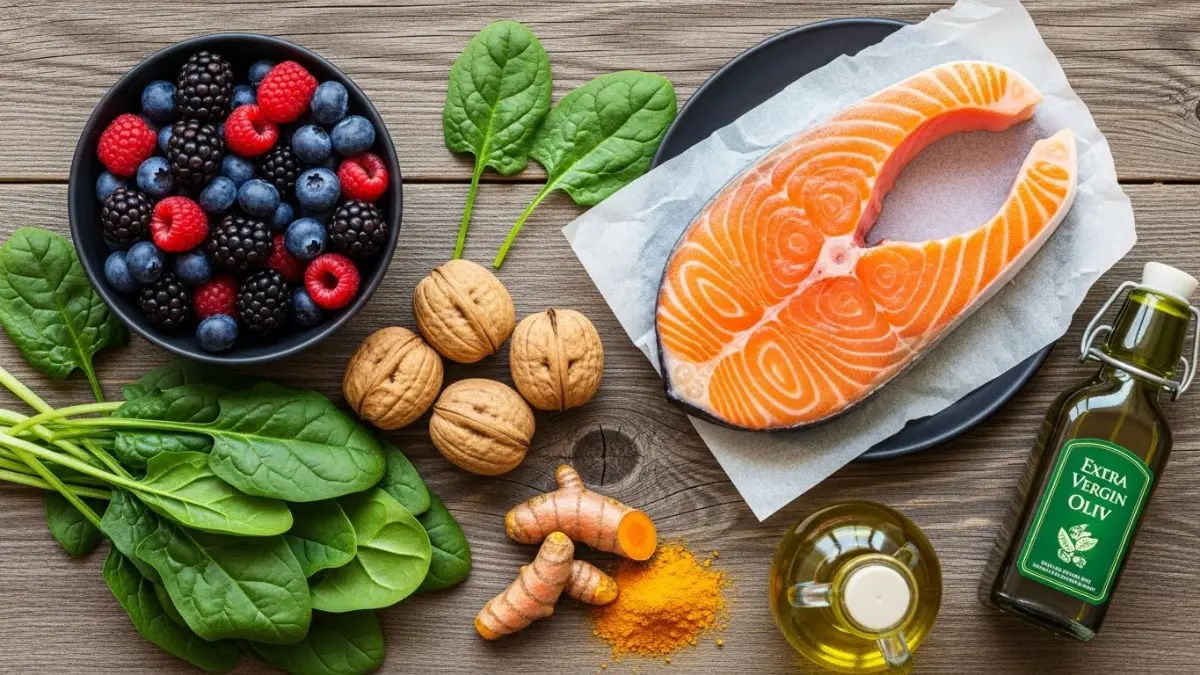
Fruits such as blueberries, strawberries, raspberries and blackberries can be described as nutritional superstars. They are packed generously with power antioxidants known as anthocyanins.
These compounds are responsible for their bright red, blue and purple colors. More importantly, they have strong anti-inflammatory properties. They work by neutralizing unstable molecules called free radicals and these may cause cell damage and drive inflammation.
A simple measure that you can apply to get your day going on an anti-inflammatory momentum is by adding a cup of mixed berries to your morning smoothie or oatmeal. They are some of the most delicious Anti Inflammatory Foods available.
“I tell my patients to ‘eat the rainbow,’ and berries are a non-negotiable part of that. The anthocyanins they contain directly support the body’s ability to lower inflammatory markers like C-reactive protein (CRP).” – Dr. Alistair Finch, Registered Dietitian Nutritionist.
Fatty Fish: The Omega-3 Connection
Fatty fish are one of the pillars of every diet based on a reduction of inflammation. Variety such as salmon, mackerel and sardines, and anchovies contain high amounts of omega-3 fatty acids (EPA and DHA).
Your body breaks down these fats to form substances, the resolvins and the protectins. As their names implies they help “resolve” and “protect” against inflammation.
Chronic inflammation is often aggravated by an imbalance of omega-6 fatty acids and omega-3 fatty acids. The Western diet, typically, is rich in inflammatory omega 6s (ph vegetable oils, processed foods etc), and low in anti-inflammatory omega 3s. Such things as eating fatty fish 2-3 times a week helps get this critical balance back. This is particularly important for a person’s cardiovascular health since inflammation can increase the Atrial Fibrillation Stroke Risk.

Leafy Greens: Your Body’s Green Shield
Broccoli, cauliflower, cabbage: Safeguard your teeth from diseases. They are loaded with antioxidants and vitamins such as Vitamin K that has been shown to have anti-inflammatory properties.
These greens contain practices that provide you with the building blocks in your body that protect it. For example, sulforophane is a substance in greens such as kale and broccoli that is a powerful activator of one’s own detoxification system.
Try to eat a portion of leafy greens as one of the two meals a day. They are super terribly versatile. You can add them into salads, stir fries, soups or even a handful of them can be blended into your smoothie. They are the essential Anti Inflammatory Foods.
Nuts and Seeds: Small but Mighty Fighters
The number of nuts or a spoonful of seeds will do you a lot of good. Almonds are high in Vitamin E, which is a fat-soluble antioxidant that defends the cells from oxidative damage.
One of the few plant-based sources of omega-3 (in the form of ALA) is walnuts. Chia meas and flaxseeds are likewise great sources of both fiber as well as omega-3s.
This combination of healthy fats, fiber and antioxidants makes nuts and seed an anti-inflammatory snack that is perfect. The fiber is especially important for healing gut health with food as it feeds into the good bacteria of the digestive tract.
The Golden Spice Duo: Exploring Turmeric and Ginger Benefits
No discussion on Anti Inflammatory Foods is quite complete without a mention of Turmeric and Ginger. These spices have been used for centuries for traditional medicine usage due to their healing properties.
Turmeric consists of a very effective ingredient known as curcumin. Curcumin is a great damage fighting (anti-inflammatory) tool that acts by preventing the working of NF-kappa B, which travels into the nuclei of your cells, shutting on the genes corresponding to inflammation.
Ginger contains gingerol which is an anti-inflammatory and antioxidant substance with strong properties. It’s especially effective in the treatment of digestive upset and soreness of the muscles. Incorporating these spices in your cook is an easy although very effective strategy.
Olive Oil: The Heart of a Healthy Diet
Extra virgin olive oil is another corner stone to an anti-inflammatory lifestyle. It’s high in monounsaturated fat that has a reputation as being heart great.
However, there is truly an anti-inflammatory star in olive oil, and that is called oleocanthal. Interestingly, Oleo-canthal has been shown to work off similar to ibuprofen, which a common anti-inflammatory drug. That pepper to your throat you get from a good, new olive oil? All these things are the work of the oleocanthal.
The Villains: Worst Foods for Inflammation
Just as important as know what to add to your diet that can heal, it is also important to know what to remove. These are the top offenders setting the fires ablaze of the long-term burning flames of inflammation in your body. Eliminating or reducing them, significantly, is one of the biggest natural inflammation remedies.
Sugar and High-Fructose Corn Syrup
Excess sugar may be perhaps the single worst. When you eat any sugary food or beverage, your body produces a spike of insulin to try and handle the spike in blood sugar levels. This process is capable of causing an inflammatory reaction.
Furthermore, when sugary foods are consumed in high amounts, Advanced Glycation End-products (AGEs) form. These harmful compounds are created when the combination of protein or fat and sugar occurs in your bloodstream. AGEs are extremely inflammatory and have been implicated in dozens of chronic diseases, including the kind of fatigue and cellular stress of type 2 diabetes fatigue.
Refined Carbohydrates
Refined carbohydrates, such as white bread, pasta, white rice and pastries, have been stripped of their filament and nutrients. Your body digests them very quickly which results in a fast rise in blood sugar, as if it was pure sugar.
This combination of a quick spike followed by a crash in blood sugar represents a stressful situation for your body’s system so that your body will become inflamed. Instead of that, go with whole grains, such as quinoa, oats, brown rice and whole wheat bread. Their fiber content alternates squamous sugar absorption making a much more stable energy base.
Processed and Red Meats
Regular eating of processed meats such as hot dogs, bacon and deli meats are significantly associated with elevated standards of inflammatory markers. These products then tend to be full of saturated fats and preservatives which can trigger inflammation.
Similarly, although red meat in its most unprocessed state can be part of a healthy diet in moderation, high heat cooking methods such as smoking or frying can lead to inflammatory AGEs. It pays to be conservative and prepare with less oily and more mellow cooking methods such as baking or stewing.
Unhealthy Fats: Trans Fats and Excess Omega-6
Artificial trans fats, which are most commonly found in the food list as “partially hydrogenated oils” are a primary inflammatory trigger. Or they are so common: in margarine, fried foods and many packaged baked goods. Thankfully, they have been banned to any significant extent, though they may still be present in a certain number of products.
In addition, too much omega-6 fatty acids, which are in oils such as corn, soybean, and sunflower oil, can encouraged inflammation without the balancing effects of the omega-3. Reducing your use of these vegetable oils which are processed is a major step.

Top 10 Anti-Inflammatory Grocery List
🌿 Your Quick-Start Grocery List 🌿
- 🍓 Berries: Blueberries, Strawberries, Raspberries
- 🐟 Fatty Fish: Wild-Caught Salmon, Mackerel
- 🥗 Leafy Greens: Spinach, Kale
- 🥜 Nuts & Seeds: Walnuts, Almonds, Chia Seeds
- 🥦 Cruciferous Veggies: Broccoli, Cauliflower
- 🥑 Avocado: Rich in healthy fats
- 🫒 Olive Oil: Extra Virgin Olive Oil
- 🌶️ Spices: Turmeric and Ginger
- 🍵 Green Tea: Packed with polyphenols
- 🍫 Dark Chocolate: 70% cacao or higher
Inflammatory Foods to Avoid Checklist
❌ Foods to Limit or Avoid ❌
These items can promote chronic inflammation. Reduce them for better health.
-
🍭
Sugary Drinks & Snacks: Sodas, candy, pastries, fruit juices.
-
🍞
Refined Carbs: White bread, white pasta, white rice.
-
🍔
Fried Foods: French fries, fried chicken, donuts.
-
🥩
Processed Meats: Hot dogs, sausage, deli meats.
-
🫒
Certain Oils: Corn, soy, and other processed vegetable oils high in Omega-6.
Creating Your Anti-Inflammatory Diet List: A Sample Day
Putting it all together can provide an overwhelming feeling. So, let’s make it simple. Here is what a typical day of eating delicious Anti Inflammatory Foods could look like.
- Breakfast (7 AM): A bowl of rolled oats cooked with water or the almond milk that is unsweetened. Top it with some mixed berries, chia seeds and a sprinkle of cinnamon.
- Lunch (12 PM): A large “power salad.” Start with a base of spinach and kale. Add some amount of grilled chicken or chickpeas, sliced avocado, cherry tomato, cucumber and handful of walnuts. Dress with extra virgin olive and lemon juice.
- Snack (3 PM): An Apple with a tablespoon of almond butter, or small handful nuts with almonds and also a piece of dark chocolate (70% or more synchronized).
- Dinner (6 PM): 4 ounce fillet baked salmon with turmeric, black pepper and dill seasonings. Serve with some steamed broccoli and half a cup of Quinoa.
This is just an example, but it is quite easy to add these powerful Anti Inflammatory Foods into your daily meals.

How Anti Inflammatory Foods Protect Your Brain
The benefits provided by these foods are far reaching when it comes to more than just your joints and gut. Chronic Inflammation Rheumatic conditions trigger chronic inflammation and neuroinflammation; these are essential in the cognitive decline and neurodegenerative diseases.
A Strategic Approach to Choosing Anti Inflammatory Foods for Brain Health
There are certain Anti Inflammatory Foods that are particularly protective to your brain. The flavonoids in blueberries can cross the blood-brain barrier and hence exert their antioxidant powers directly in the brain tissue. This can help to clear out the cellular debris and increase communication between the brain cells.
Fish-based omega-3rates which are important building blocks for the membranes in brain cells. A high-fat diet with these fats taken in is linked to improved memory and a reduced likelihood of cognitive decline. Therefore, making this diet a recurring lifestyle change is one of the major lifestyle and change you can make to help Prevent Alzheimer’s Disease. It can also be a supportive measure for people who worry about the first symptoms of Parkinson’s disease, another condition where the relationship to neuroinflammation is strong.
Beyond Food: Holistic Natural Inflammation Remedies
While diet is the plaque, a lifecycle truly, anti-inflammatory way of work out means lifestyle. These other factors have a very significant role in controlling your body’s inflammatory response.

1. Prioritize Sleep: Lack of sleep, especially quality sleep, is a major stressor to the body and has shown to increase inflammatory markers providing evidence for the higher levels among health coaches. The sleep of 7-9 hours is at night and should be restorative.
2. Manage Stress: Chronic stress results in high levels of cortisol which is a hormone that over time spikes in our bodies and is known to cause widespread inflammation. Practices such as meditation, deep breathing, yoga or even simply taking time in nature can help.
3. Gentle Movement: Keeping an exercise routine with moderate exercise workouts is a potent anti-inflammatory. It helps to circulate blood, increase sensitivity to insulin, and can eliminate body fat, which is a source of inflammatory compounds in itself. As mentioned above, building a daily routine can especially be beneficial for ailments such as arthritis.
The Inflammation Link to Autoimmune and Cellular Health
Chronic inflammation is an important factor in autoimmune disorders, in which the immune system targets its own body tissue. Conditions such as rheumatoid arthritis, lupus, inflammatory bowel disease, are good examples.
An anti-inflammatory diet can be used to modulate the immune response. By healing gut health with food, you can help to get the gut lining intact and the particles no longer leak into the bloodstream, causing an immune reaction. This is critical in the condition that can affect anyone, even children, like Autoimmune Pancreatitis in Children. The principles of an anti-inflammatory diet are frequently advised by experts from some of the top institutions such as the Mayo Clinic as part of a comprehensive treatment plan.
Using Anti Inflammatory Foods as a Supportive Measure
Furthermore, inflammation can affect the health of the hormones and cells. Some research has found some association between chronic inflammation and developing certain cancers, such as Thyroid cancer in women.
Additionally, inflammation can also increase the side effects of medical treatments. For example, adding nutrient-rich and anti-inflammatory food items can help in the body’s healing process for people suffering from problems such as Chemotherapy Neuropathy. These foods upkeep the vitamins and minerals necessary for the health of the nerves and tissues.
“We can’t ignore the gut. It’s home to 70% of our immune system. When we use an anti-inflammatory diet list to cultivate a healthy gut microbiome, we’re fundamentally changing the conversation our immune system is having with the rest of our body.” – Dr. Lena Hanson, Functional Medicine Practitioner.
The evidence is quite clear – decreasing your inflammatory load (through diet and diet lifestyle) is a powerful, preventative measure to take for long term health. Extensive research is being carried out and has, for example, published in the Harvard Health, always supporting the role of diet in preventing and controlling chronic inflammatory conditions.
Your Journey Starts Now
Adopting the anti-inflammatory lifestyle is not a matter of perfection, it is a matter of progress. It’s about taking conscious steps of degree by degree every day to make choices that over time result in significant transformation.
Start small. Pick one meal a day to focus on. Trading your sweet drink in soda for a green tea. Serve a salad of kinds to the side of your dinner. Each minor victory helps to gain momentum.
You are in your favorite body position, even the inflammation fire extinguished in the hands. You can create a body that is strong, energized, and one that is free from the chronic aches that you are being held by. And the way ahead is prepared with some tasty, nourishing, and powerful Anti Inflammatory Foods.
Frequently Asked Questions (FAQs)
1. How long does it take to see results from an anti-inflammatory diet?
You may experience results from the energy and bloating after within a few days to week. However, substantial reductions in pain and inflammatory markers may take several weeks/months of a sustained effort. Your body needs time to heal itself and get back in balance using these powerful Anti Inflammatory Foods.
2. Is coffee inflammatory?
To most people, coffee is not inflammatory. In fact, it’s rich adrenal nutrients (polyphenols and other antioxidants) which may anti-inflammatory components. However, it is possible for some people to be sensitive to it. Pay attention to the way your body is feeling and drink in moderation without any added sugar or cream.
3. Can I still eat red meat on an anti-inflammatory diet?
Yes, in moderation. Choose grass-fed beef which contains a better fatty acid profile Once or twice a week is the maximum amount to consume and try cooking with gentler cooking techniques such as baking or slow cooking (instead of a high heat clearance system like grilling) to reduce the formation of inflammatory compounds.
4. Are nightshade vegetables (tomatoes, peppers) inflammatory?
For day-to-day average persons, nightshades are not inflammatory, and are actually rather healthy. However, a short-term subset of individuals, especially those with autoimmune conditions may be sensitive to them. If you are sure you have an issue please do try an elimination process to see if your symptoms have improved.
5. Do I need to take supplements like turmeric or fish oil?
A food-first approach is always one that’s best. However, supplements can make a useful addition if you are having a hard time eating enough in your diet. High-quality fish oil and curcumin (from turmeric) are highly researched supplements which can assist the decrease of inflammation. Please do not under no circumstances take new supplements when you have not checked with your doctor.
Conclusion: Embrace the Power of Healing Foods
Your path to a less-obese, happier you is not a diet, it’s a lifestyle. It is about choosing to feed your body with what nature brings us in form of the most incredible power in all the world, the powers that we find in nature’s ingredients. By focusing on the heroes (berries, fatty fish, leafy greens, and spices) and the minimum number of villains, you are being proactive when it comes to gaining control of your health.
This is not a way of deprivation, but one of abundance. You are adding in flavor, color, and nutrients that will help you feel your absolute best. Each meal is a new chance to create a stronger healthier you with a stronger immune system, etc. We urge you to take this path and find out what a true benefit it can bring to you by eating Anti Inflammatory Foods. Remember that your plate is one of the most powerful tools that you have to fight inflammation and your dedication to use it wisely is the first and the most important step that you need to take in order to choose these Anti Inflammatory Foods.